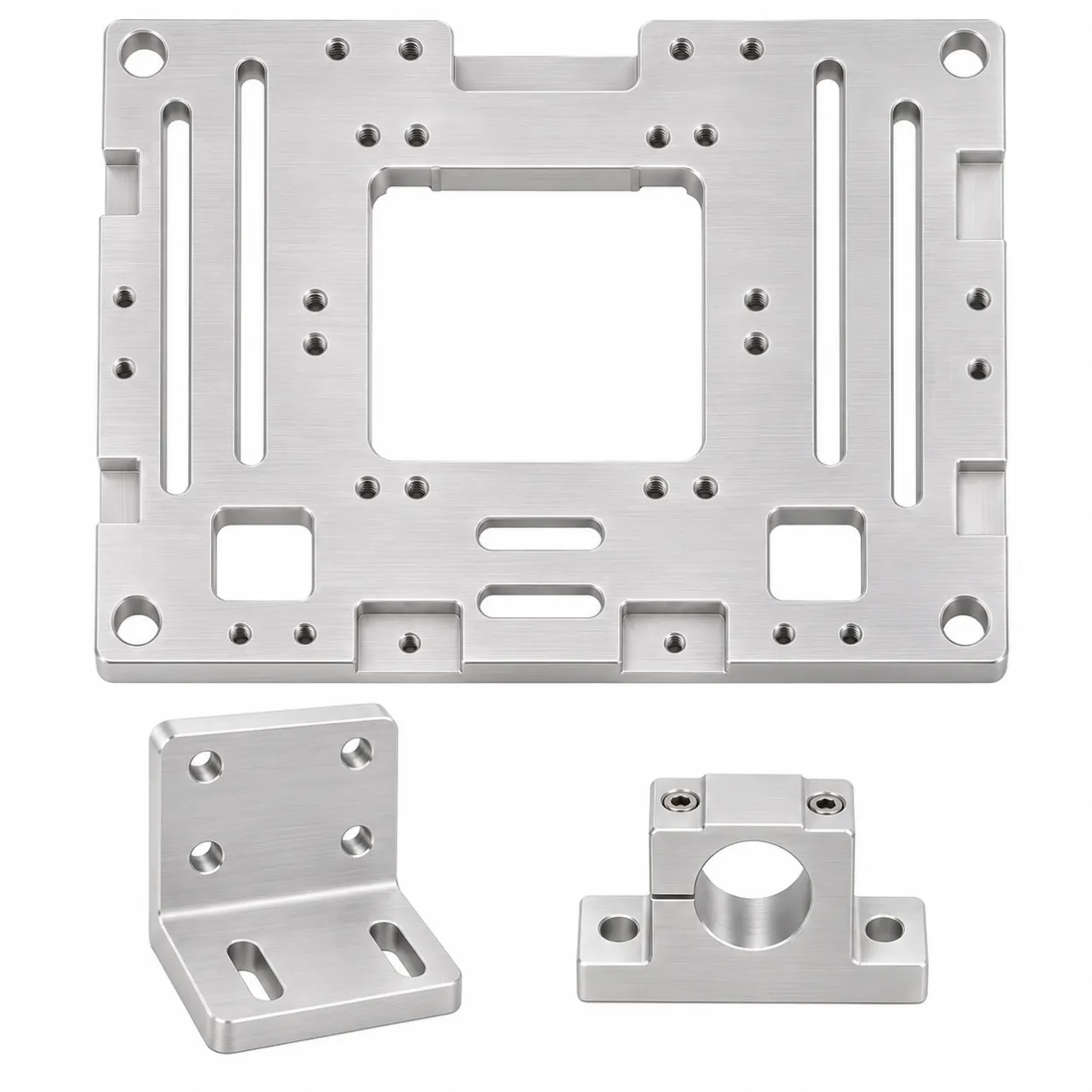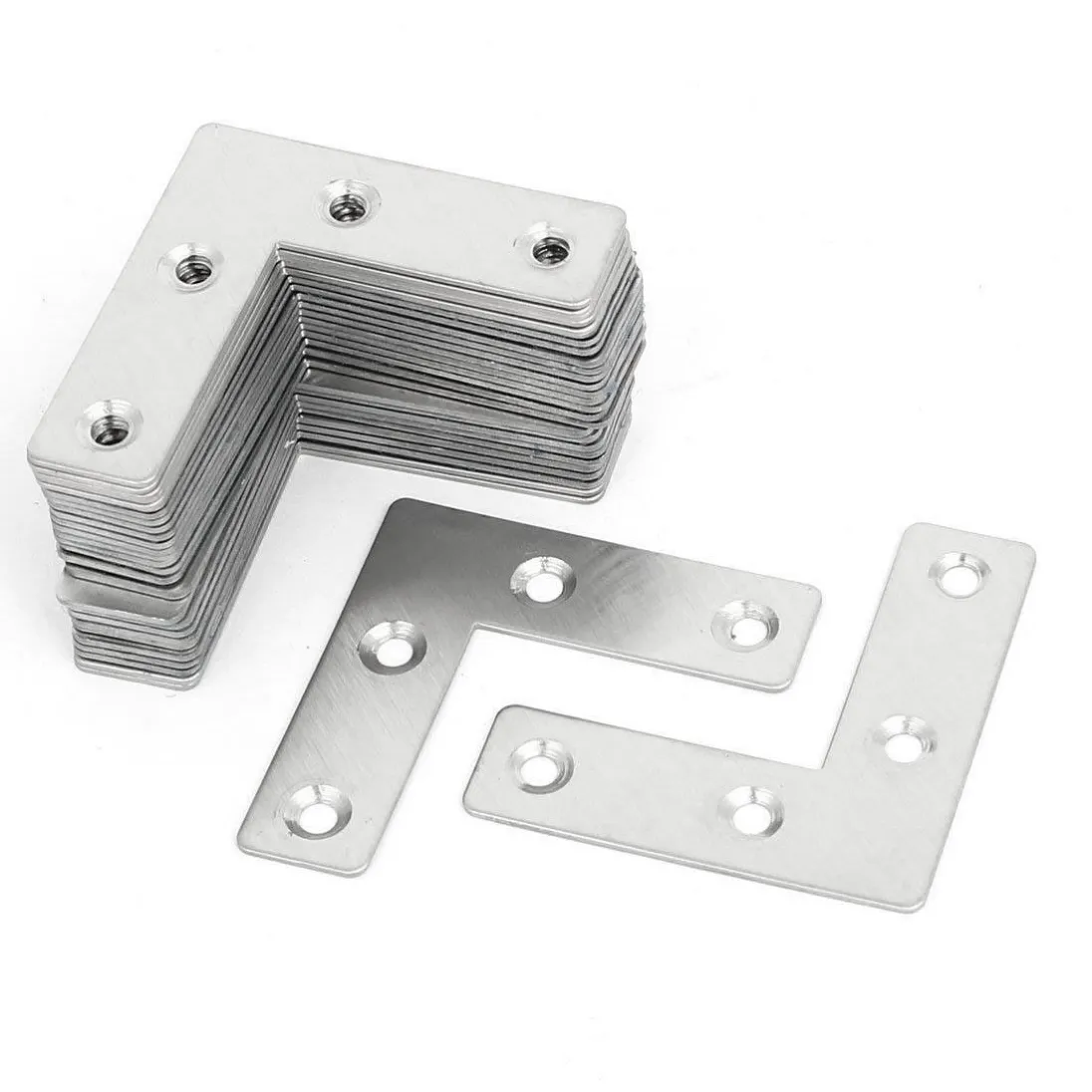
Brackets, Plates & Custom Blocks
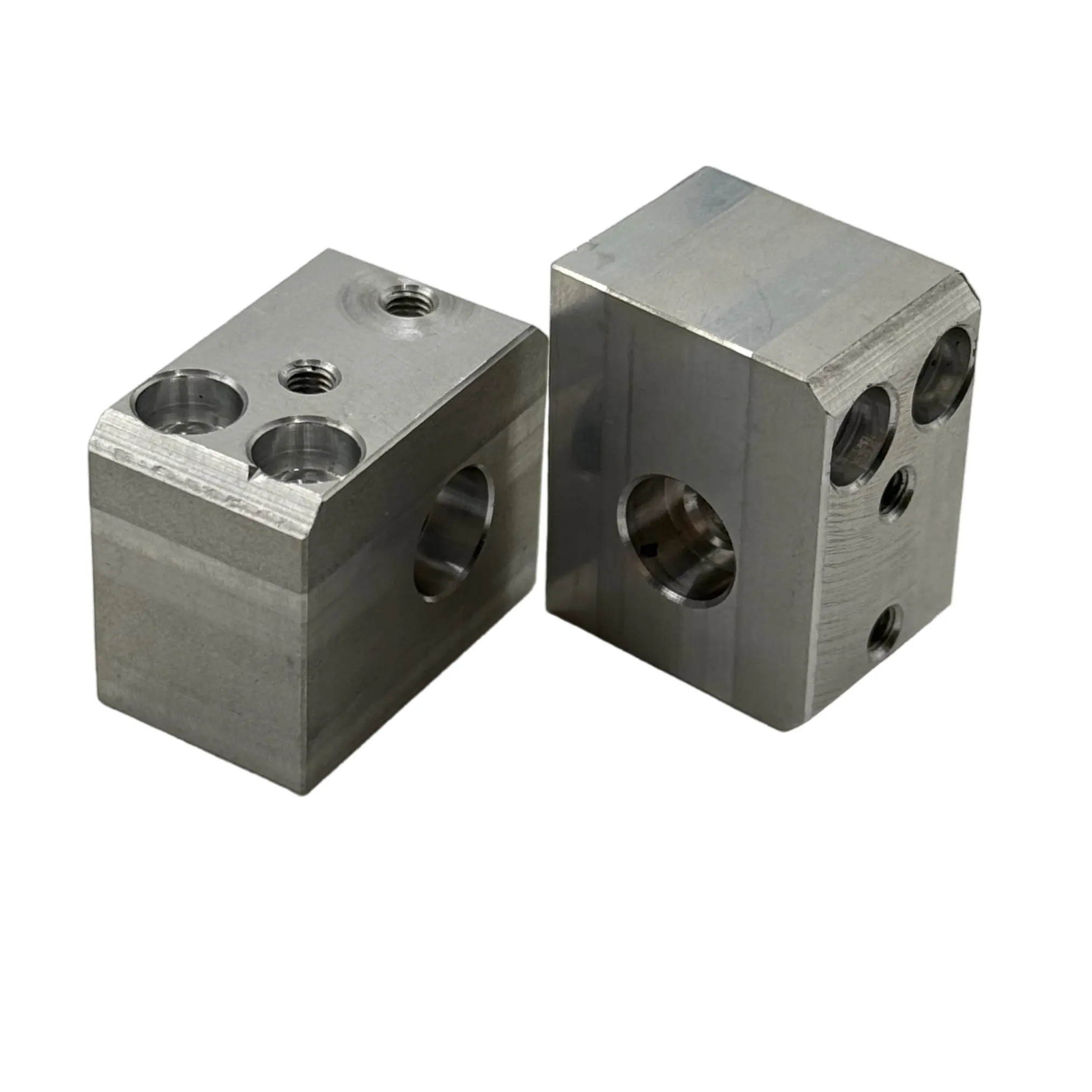
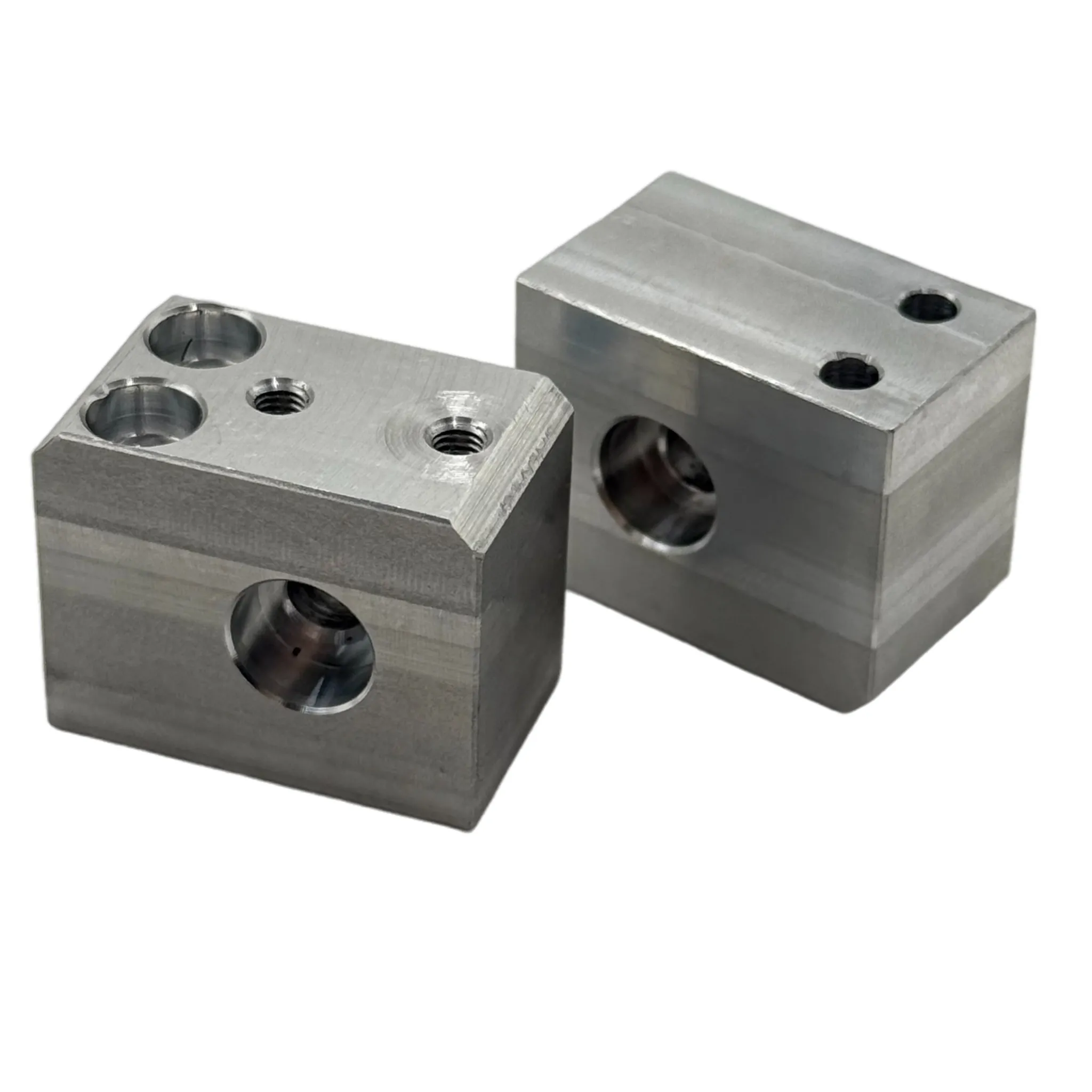
Custom Milled Block
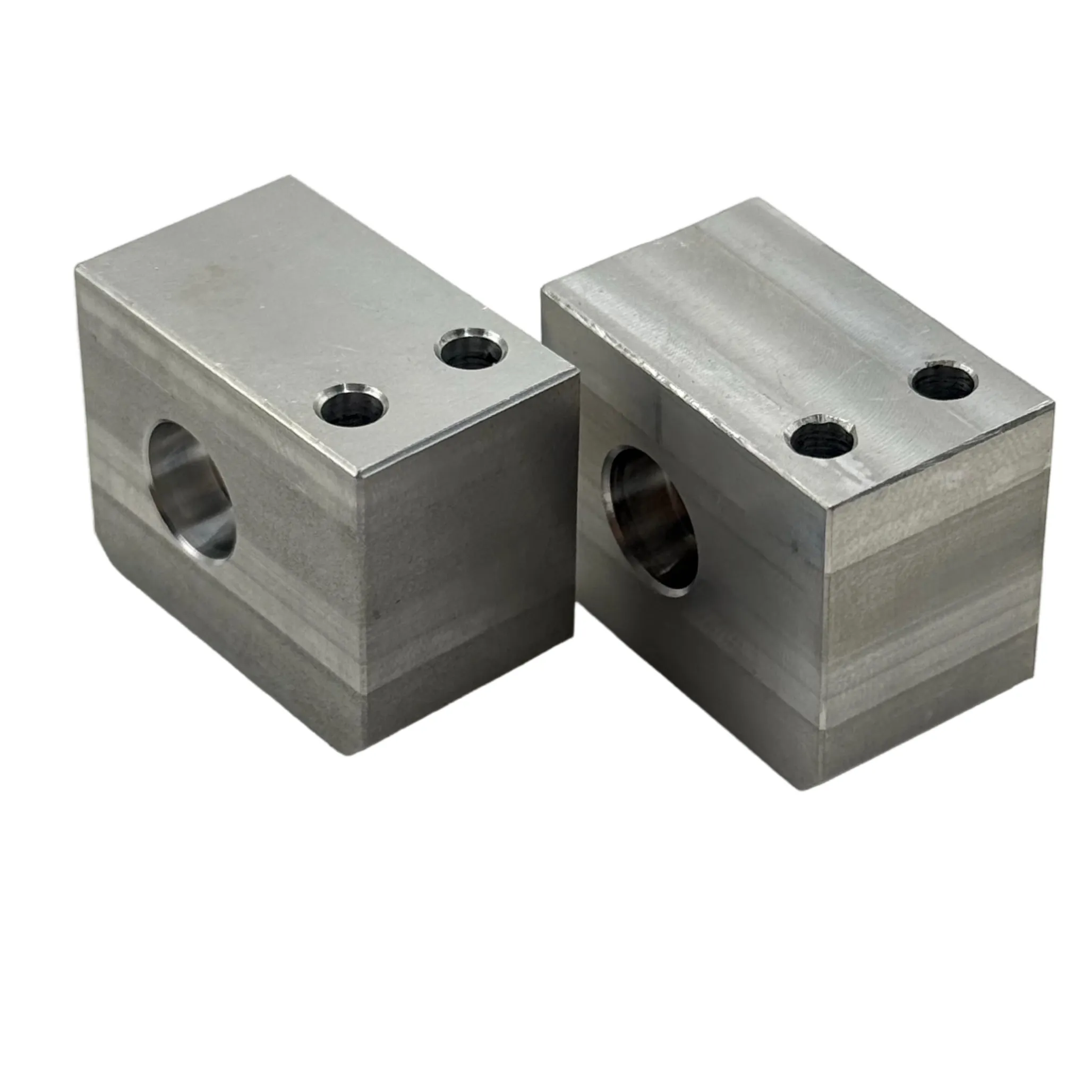
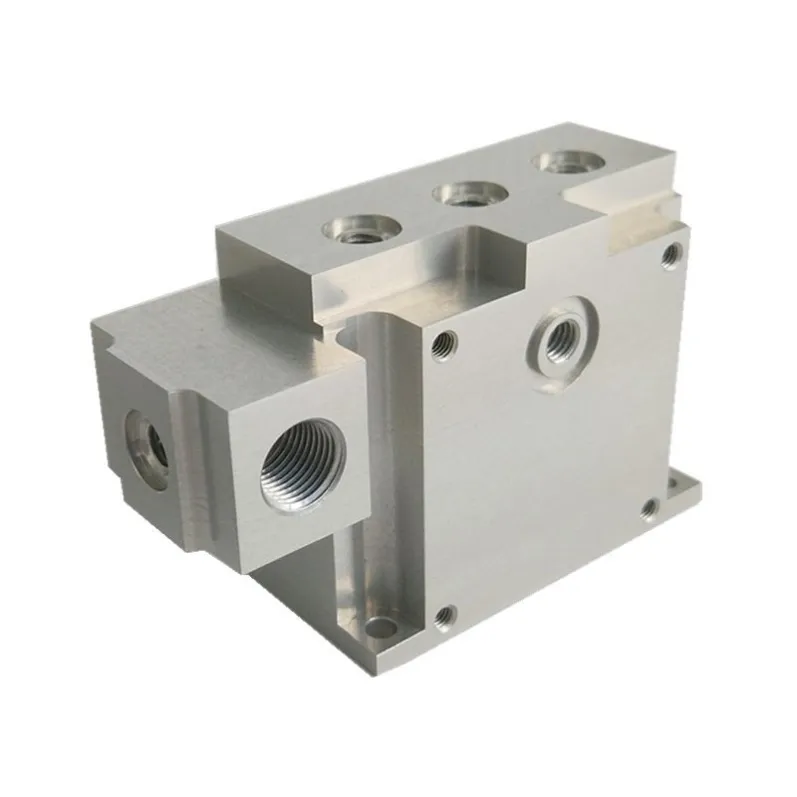
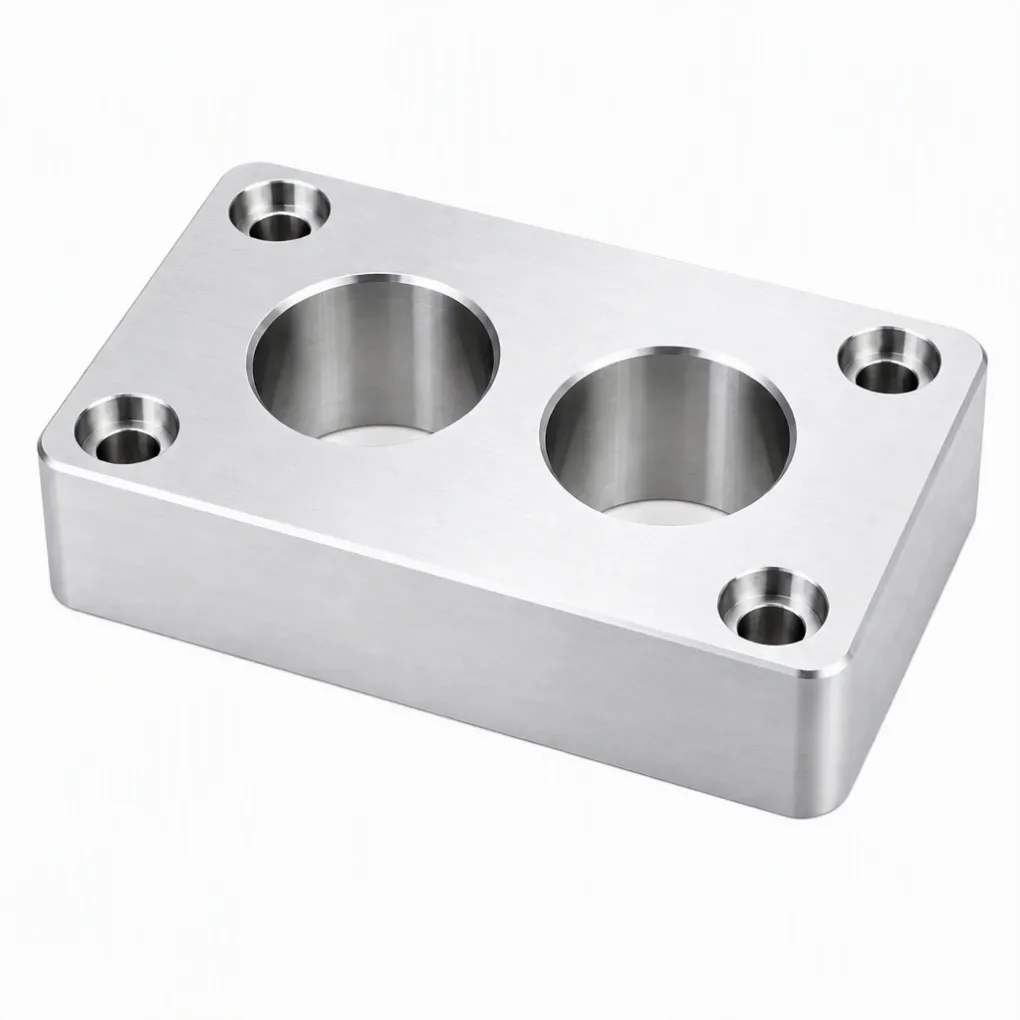
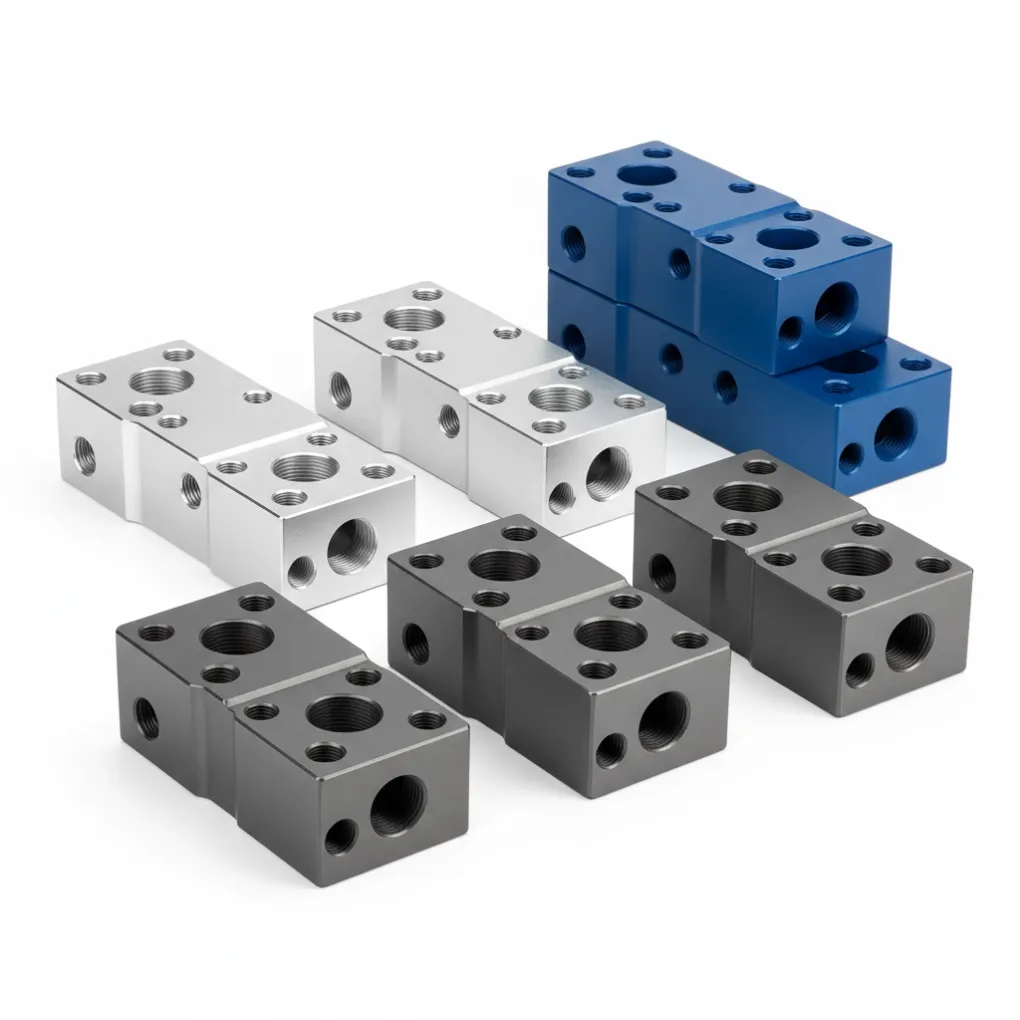
Custom Milled Blocks, CNC Machined to Your Drawing. We produce CNC milled blocks, mounting blocks and custom machined blocks for machinery, automation and OEM equipment, delivered to customers worldwide. Blocks are milled from stainless steel, aluminium, brass or other materials as specified on your drawing, with pockets, holes, threads and faces machined exactly to print. Built for prototypes, one-off parts and repeat production runs.
Custom milled blocks are solid machined components that position, support or space a part at a fixed height and location inside a machine. Shenzhen Andeyuan CNC machines every block to your drawing for equipment manufacturers, machine builders and OEM customers worldwide, in prototypes, small batches and repeat production.
Where Milled Blocks Are Used
Milled blocks appear wherever a component must sit at an exact height or in an exact position and stay there under load. In factory automation and OEM machinery they serve as mounting bases that carry linear guides, actuators, motors and sensors, holding each device square to the machine frame and at the correct working height. In fixtures, jigs and test rigs they work as locating blocks, clamp blocks and stopper blocks that define where a workpiece or a moving part stops, so the same position is repeated cycle after cycle. Robot auxiliary structures use milled blocks as rigid spacers and interface pieces between the robot, its tooling and the surrounding cell. Instrumentation housings and aluminium-profile frames also rely on them — a sensor block milled from solid, for example, gives a photo-eye or proximity sensor a stable, precisely located seat that a thin fabricated bracket cannot provide.
Construction and Specification
How to Order