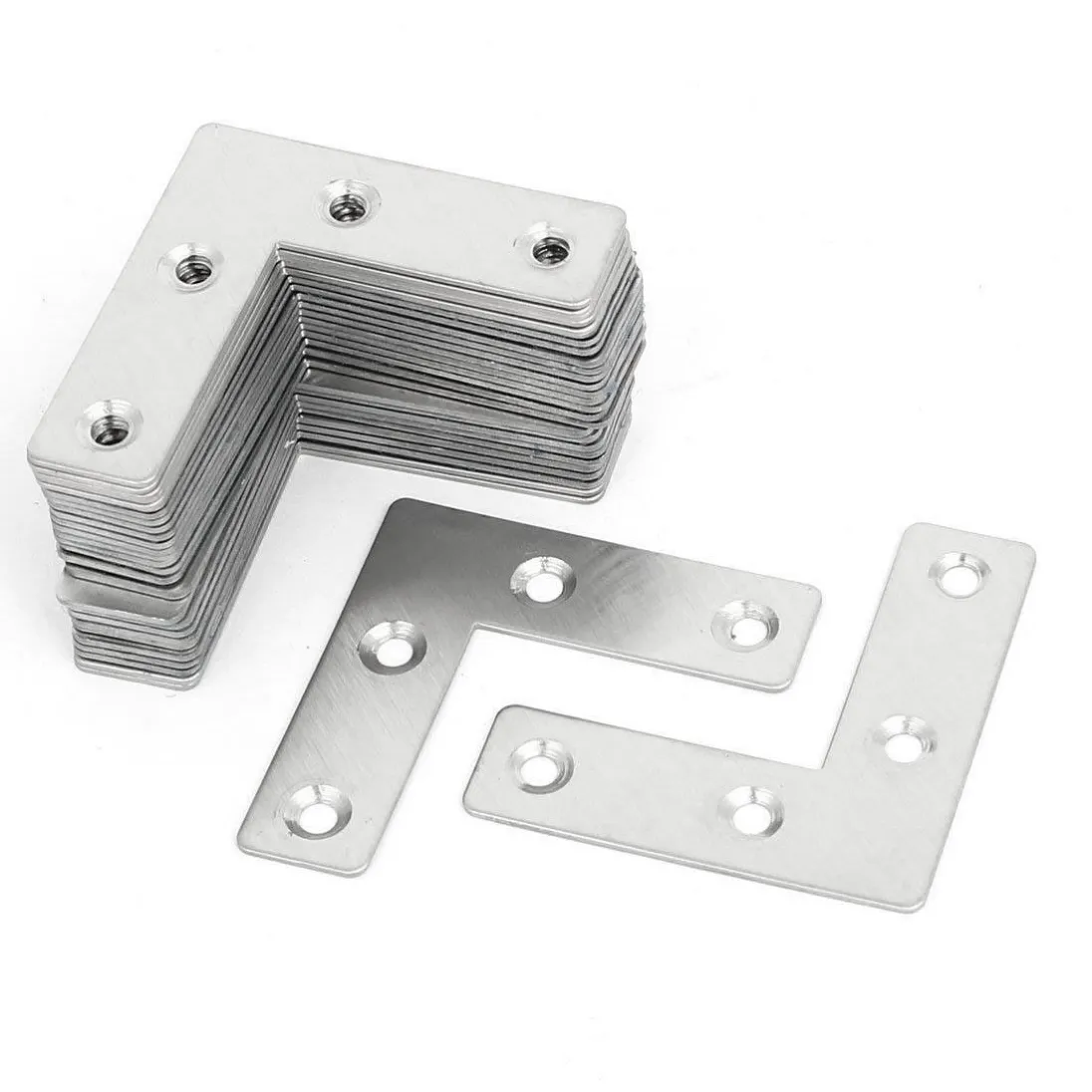
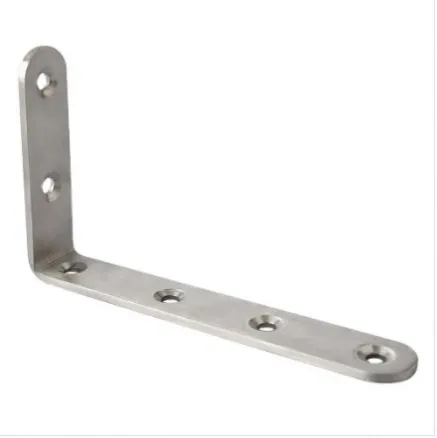
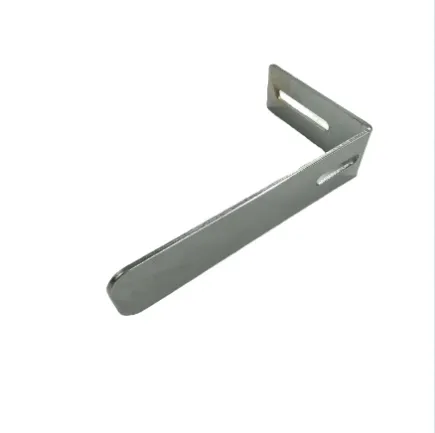
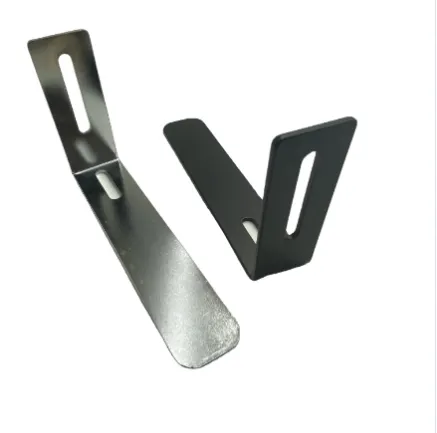
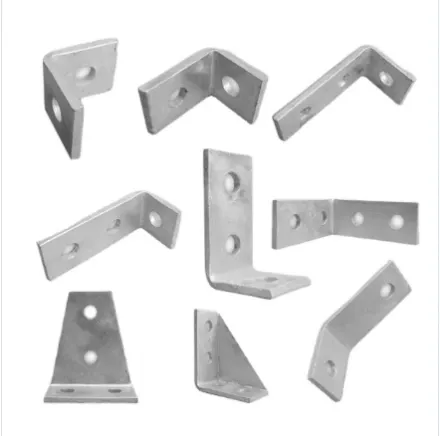
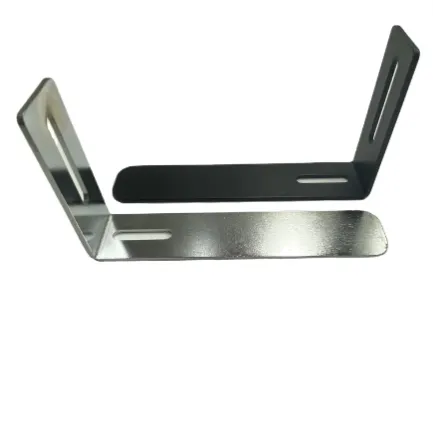
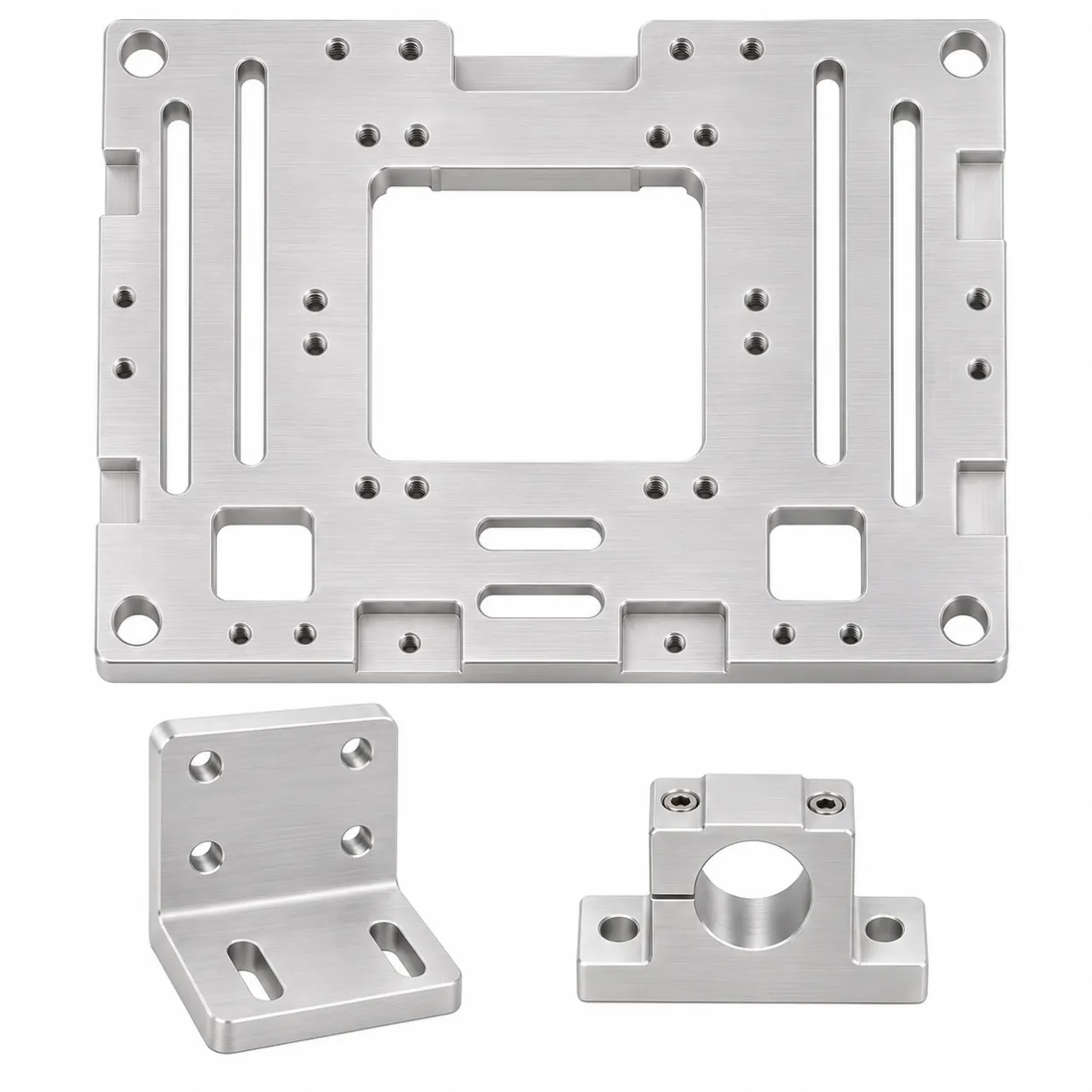
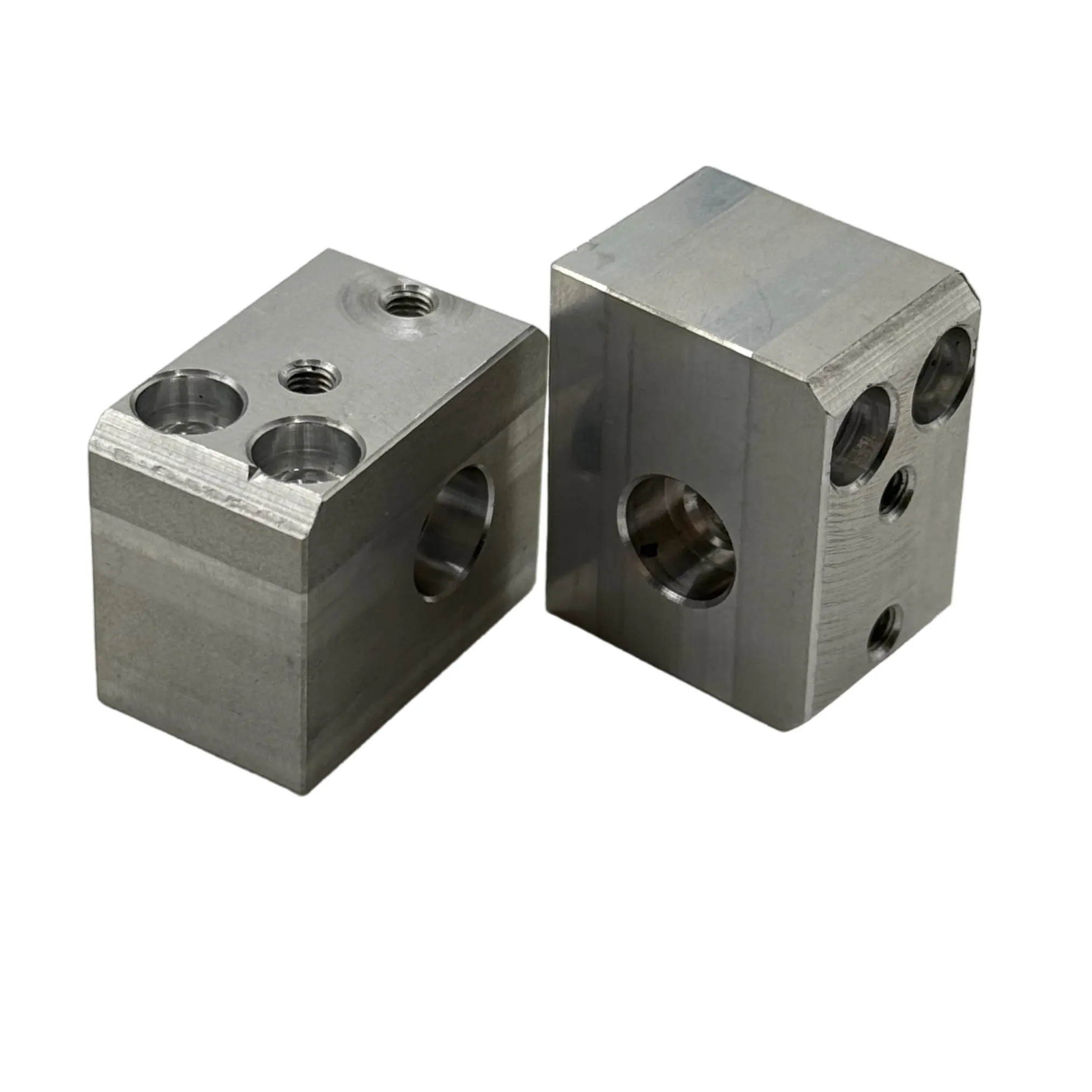
An L bracket joins and supports components on two perpendicular faces — machine frames, motors, sensors and enclosure hardware. Shenzhen Andeyuan CNC machines custom L brackets from solid material exactly to your drawing for equipment manufacturers, machine builders and OEM customers worldwide, from a single prototype to repeat production orders.
Where L Brackets Are Used
Machined L brackets are used where two parts meet at a right angle and the joint must be stiff, accurately located and repeatable. On machine frames and aluminium-profile structures they form corner joints that hold the frame square. As motor mounts they carry small and medium motors and gearboxes, keeping the shaft line fixed relative to the base. In automation equipment they hold sensors, limit switches and photo-eyes at a set position and angle, often with slots that allow fine adjustment after installation. Inside electrical enclosures and control cabinets they provide internal mounting points for components that cannot hang from the cabinet wall alone. Conveyor systems use them as supports and guide mounts along the line, and they also appear as hinge supports and general right-angle interfaces throughout machinery, automation equipment and OEM assemblies — anywhere a folded sheet bracket would flex, or where the mounting holes have to land in exactly the right place on both faces.
Construction and Specification
Because the bracket is machined from solid stock rather than folded, the two legs can have different thicknesses, and a gusset rib can be machined as one integral piece with the bracket — folding sheet metal cannot add material in the corner, so a gusset is something only a machined (or cast) bracket can offer. Buyers typically specify holes on both legs — through, counterbored or tapped — slots for positional adjustment, a small inside corner radius that clears bolt heads and mating parts, chamfers and edge breaks, and clean perpendicular datum faces to locate against. A machined bracket is chosen over a folded sheet bracket at low quantity, where there is no bend setup to justify, when tolerances must be tight, when the section is thick or needs pockets and precision bores, when an integral gusset is required, or when holes must land exactly — holes close to a bend line distort during folding. Folded sheet still wins for uniform thin sections at high volume. Catalogue gusset brackets from large suppliers typically run to leg dimensions of roughly 30–200 mm with thicknesses in the 6–10 mm class, but these figures are indicative only; your bracket is made to your drawing, which defines the leg lengths, thickness, included angle (90 degrees or another angle as drawn), the hole pattern and hole type on each leg, hole pitch from the corner datum, gusset presence and size, inside corner radius, material, and perpendicularity and flatness requirements. Brackets are machined in aluminium, stainless steel or other materials as specified on your drawing.
How to Order
Send your DWG, PDF or STEP/STP drawing and we machine the bracket exactly as drawn, including the gusset, slots and hole pattern your assembly needs. MOQ is from 1 piece — order a single bracket to prove a design, a small batch for a machine build, or repeat production quantities as your product ramps up. Samples are ready in about 7 days, subject to the drawing. Because every bracket is made from your file, revising a leg length or moving a hole between orders is simply a matter of sending the updated drawing. All brackets are produced under ISO 9001:2015 certified quality management at Shenzhen Andeyuan Plastic Hardware Co., Ltd. in Shenzhen, China, for customers worldwide.