Plastic Machined Parts
Stepped Plastic Block
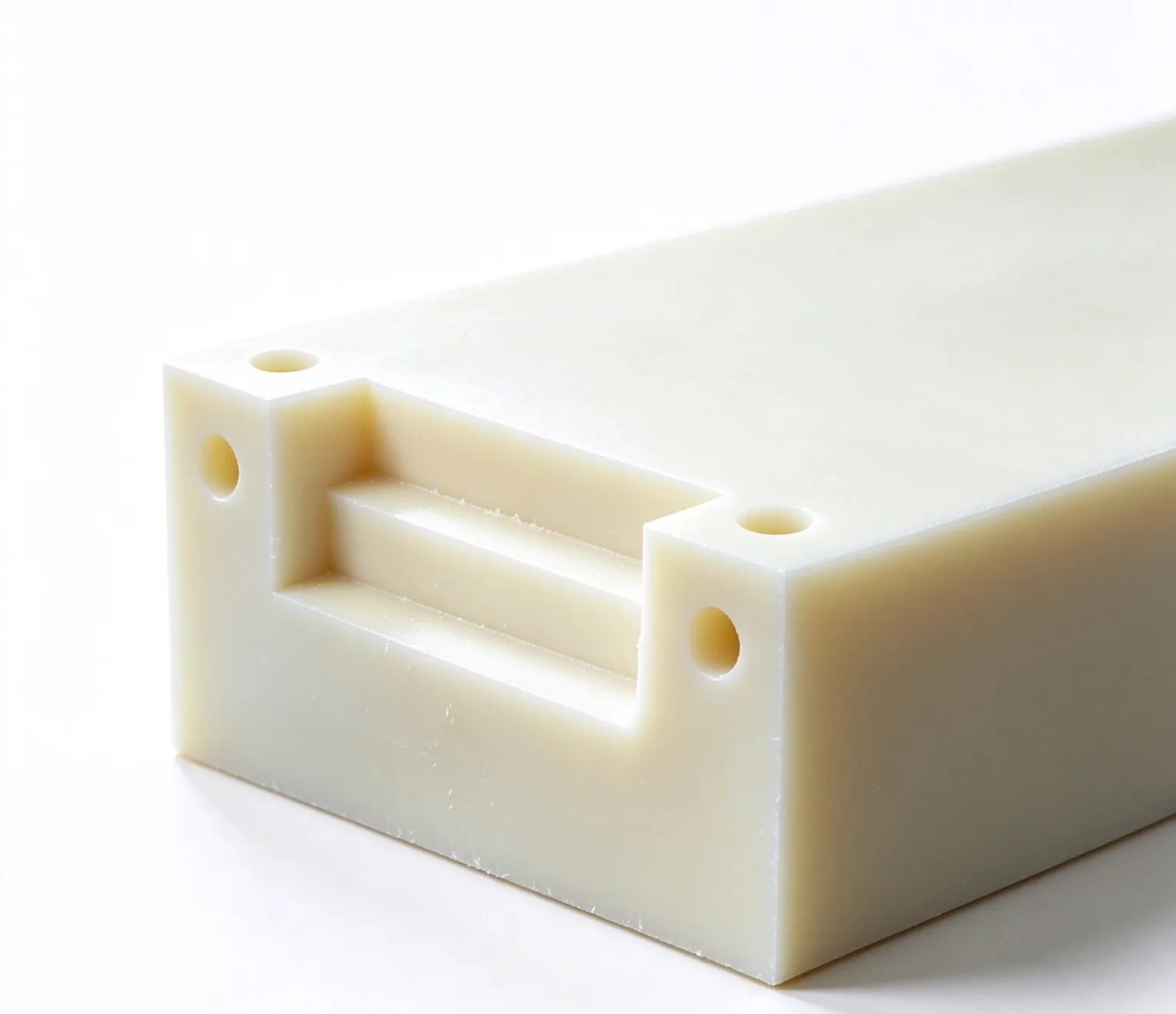
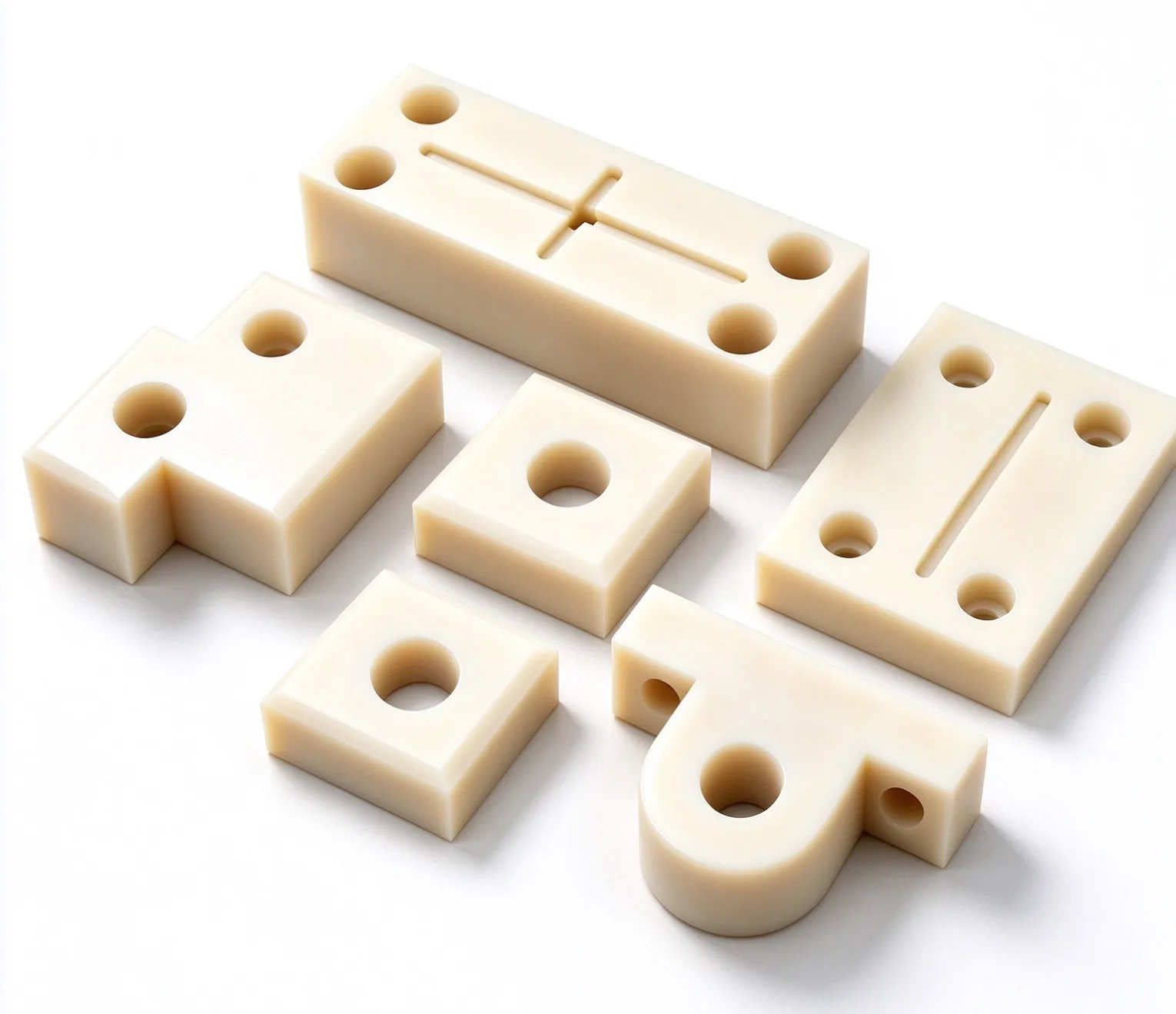
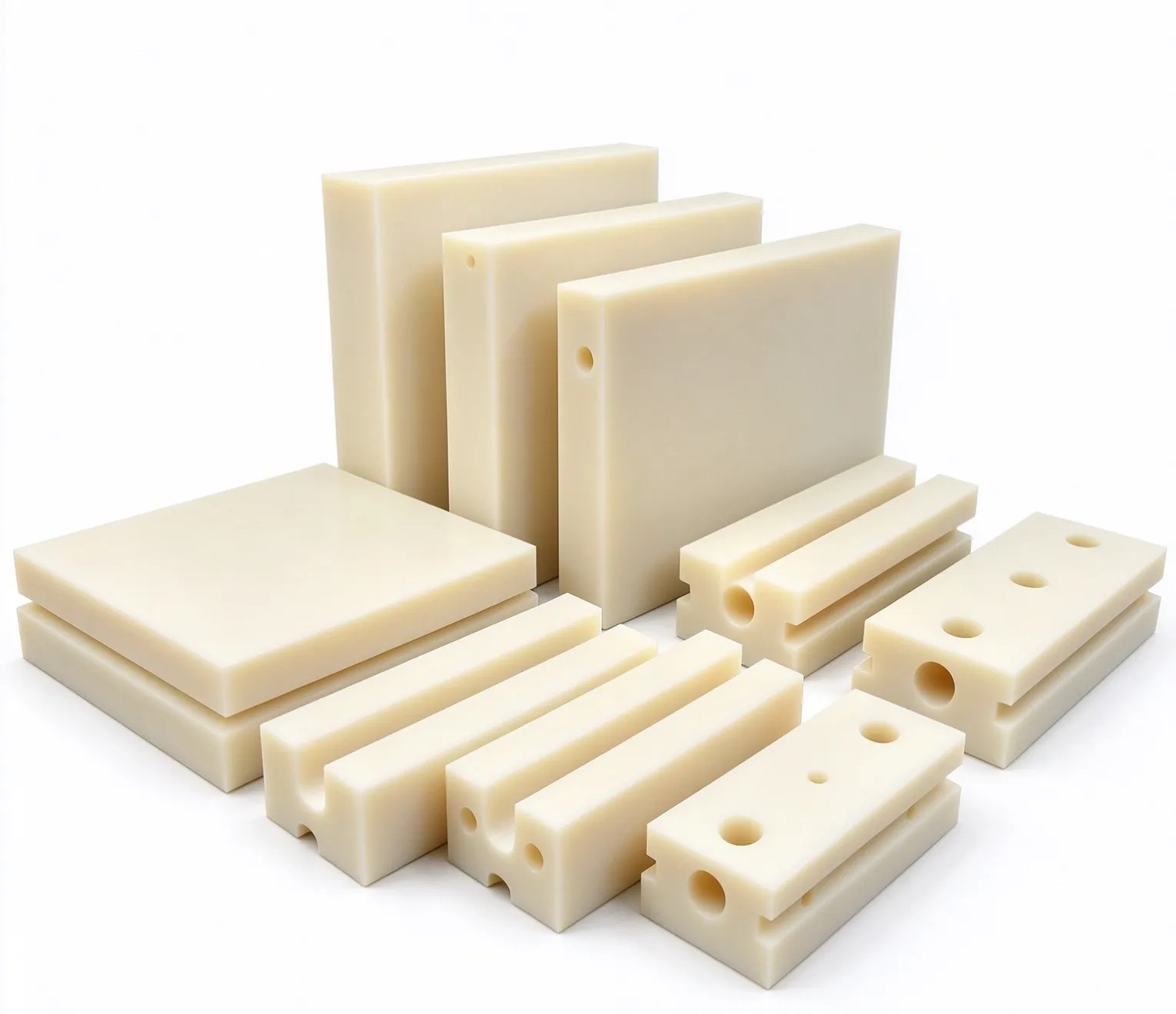
Custom Stepped Plastic Blocks, CNC Machined to Your Drawing. We manufacture stepped plastic blocks, spacer blocks and custom machined plastic parts for equipment builders, automation projects and OEM customers worldwide. Blocks are CNC machined — not injection moulded — from engineering plastic as specified on your drawing, with steps, holes, slots and faces made exactly to print. A practical choice for guides, spacers, fixtures and one-off custom parts.
Custom stepped plastic blocks CNC machined to your drawing — solid blocks milled and turned from engineering plastic bar and block stock, never injection moulded. Shenzhen Andeyuan Plastic Hardware Co., Ltd. makes stepped spacers, guide blocks and fixture blocks for equipment manufacturers, machine builders and OEMs worldwide.
Where Stepped Plastic Blocks Are Used
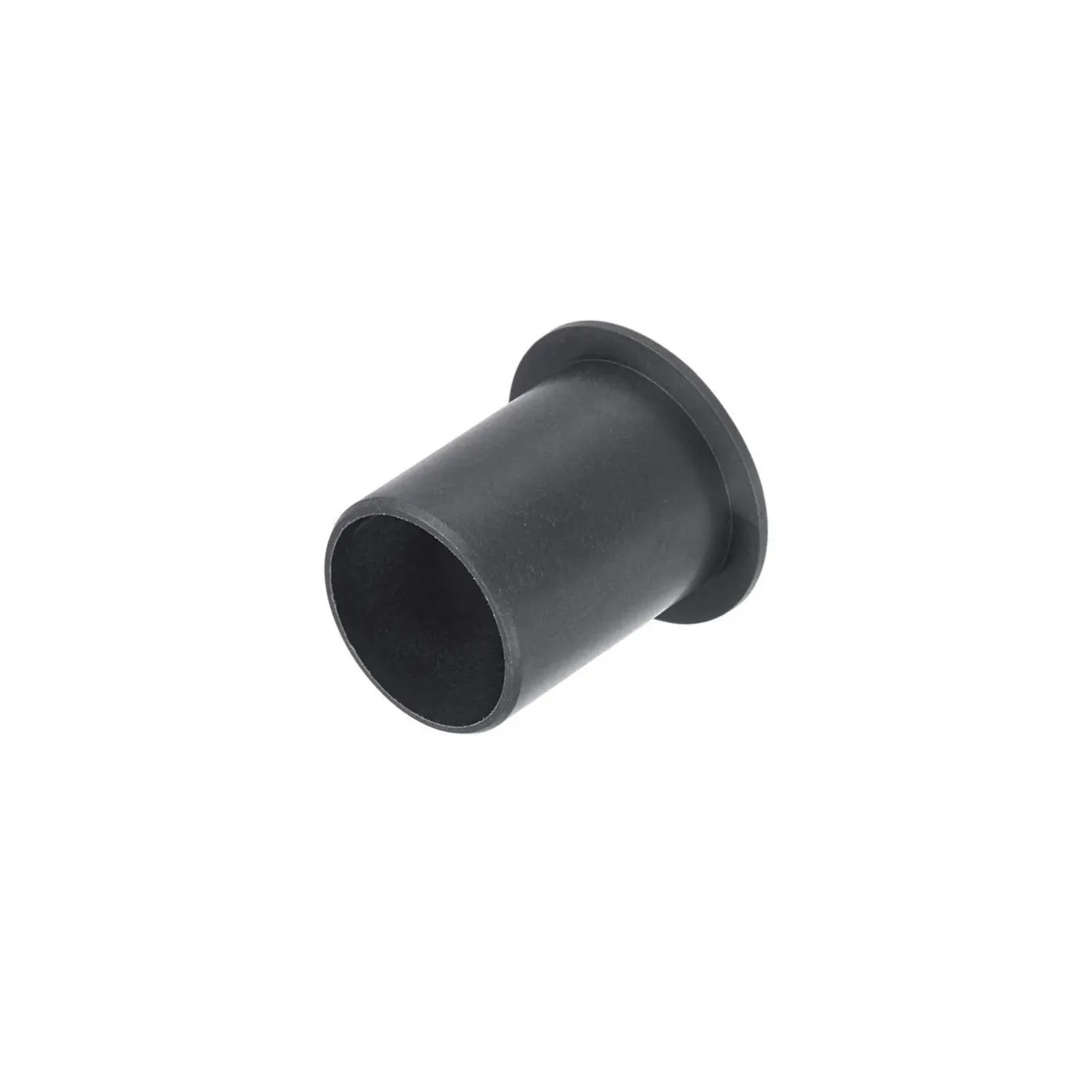
A stepped block is a solid part with two or more levels, and the step is what does the work: the shoulder locates mating parts, sets a fixed spacing or standoff, aligns a bearing or shaft, or lets a smaller section pass through a panel cut-out while the larger section stops against the panel face. The same geometry covers stepped spacers, shoulder bushings, spacer blocks, guide blocks and fixture blocks. In assemblies across electronics and machinery, plastic stepped blocks provide spacing and standoff duty with electrical isolation between the parts they separate, at low weight and with no corrosion. In automation and assembly equipment they serve as locating and fixture blocks that hold components in a repeatable position. In conveyors and packaging machinery they run as guide blocks, wear blocks and support pads, where a low-friction, quiet-running contact surface is an advantage. They are also common product-development hardware, where a one-off block proves out a layout before anything is committed to production tooling.
Construction and Specification
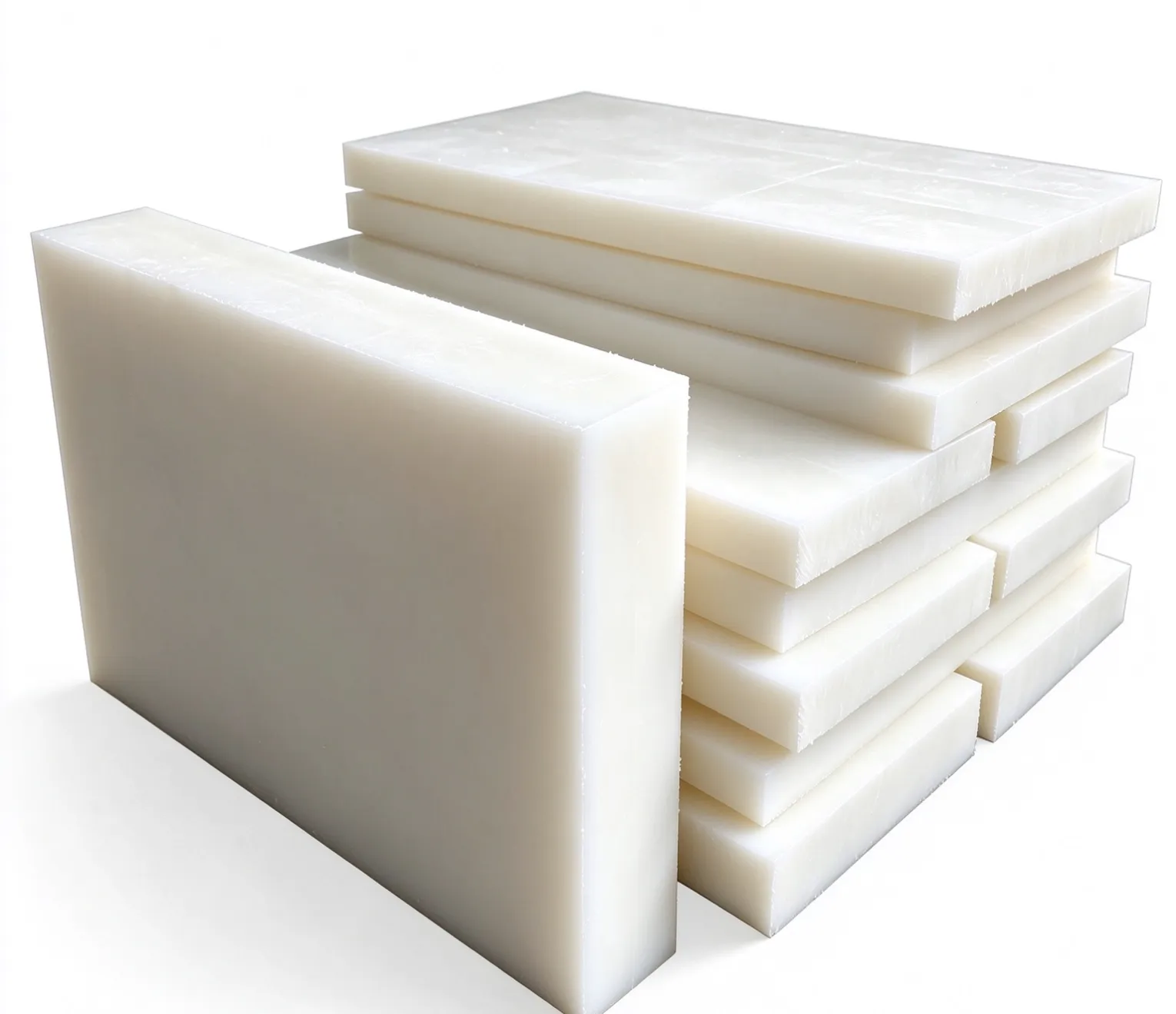
Each block is machined from solid bar or block stock, so the section can be as thick as the design needs. Features buyers specify include the step diameters or step face positions and heights, through and blind bores, tapped holes or metal threaded inserts where the block is assembled and dismantled repeatedly, slots, pockets, cross-holes, chamfers on step corners, and the flatness of the mounting face. The drawing defines the overall dimensions, each step's size and axial position with tolerances, bore diameters, hole and insert specifications, and the material; tolerances on the locating faces are usually the tightest callouts on the part, because those faces set the position of everything that mounts to the block. Machining is the natural process here: it suits prototypes and low-to-mid volumes with no mould cost, holds solid thick sections without the voids, sink or warp a moulded block of the same size risks, and holds tolerances directly, without draft angles or shrinkage uncertainty. A design revision is a program edit, not mould rework, which is why machined blocks stay economical while a design is still changing. Material is the engineering plastic specified on your drawing, chosen by property — a low-friction grade for guide duty, a rigid grade for fixture blocks, or an electrically insulating grade where the block separates live components.
How to Order
Send your drawing as a DWG, PDF or STEP/STP file and we will quote the block exactly as drawn, steps, bores and inserts included. The minimum order is one piece, so a single prototype block is a normal order, and the same drawing can proceed to small batches and repeat production orders with no tooling step in between. Samples are produced in about 7 days, subject to the drawing. Production is carried out under our ISO 9001:2015 certified quality management system, and finished parts are shipped to customers worldwide. If a step position or tolerance is unclear on the drawing, we will raise it with you before machining.