Plastic Machined Parts
Plastic Mounting Plate
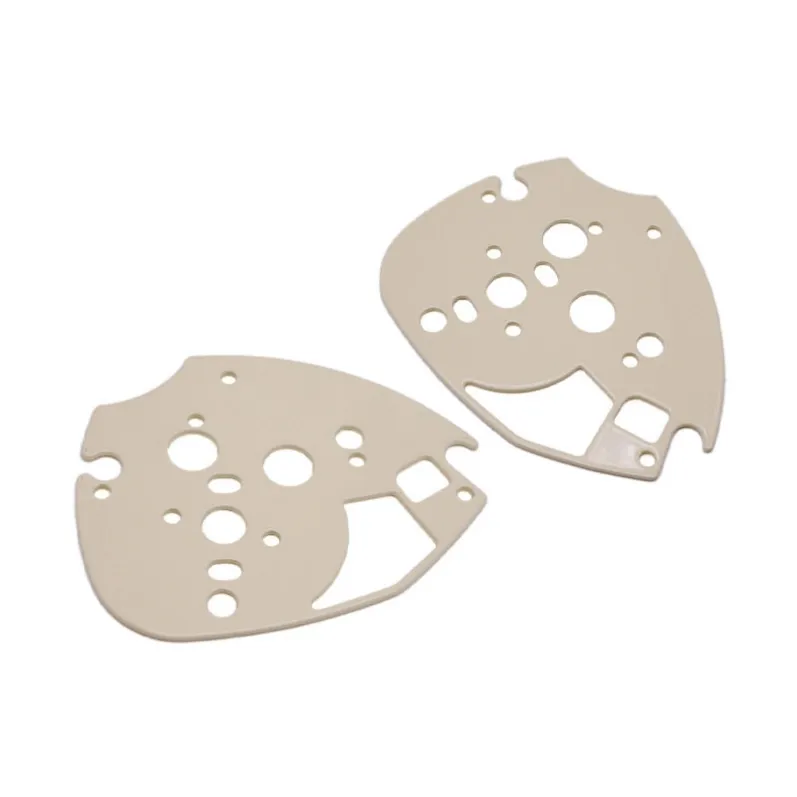
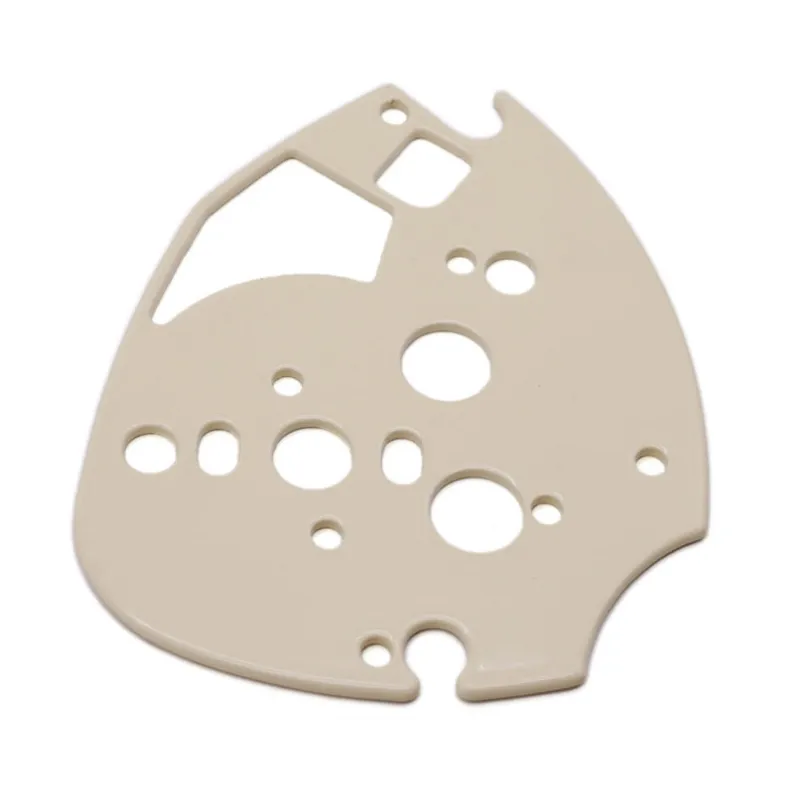
Custom Plastic Mounting Plates, CNC Machined to Your Drawing. We produce plastic mounting plates, shaped plates and custom machined plastic panels for machinery, electronics and OEM equipment, delivered worldwide. Each plate is CNC machined — not injection moulded — from engineering plastic as specified on your drawing, with holes, cut-outs and profiles machined exactly to print. Ideal for insulation parts, covers and custom fixtures in prototype and production quantities.
Custom plastic mounting plates CNC machined to your drawing — cut, drilled and milled from engineering plastic sheet, never injection moulded. Shenzhen Andeyuan Plastic Hardware Co., Ltd. supplies mounting, adapter, insulation and cover plates to equipment manufacturers, machine builders and OEMs worldwide, from one piece upward.
Where Plastic Mounting Plates Are Used
A mounting plate is the flat component that carries, locates or separates other parts: a base plate under a device, an adapter plate bridging two mismatched hole patterns, a fixture plate holding work in position, or a wear or guide plate that a moving part slides against. Inside electrical enclosures, plastic plates serve as insulation plates, insulating barriers and terminal boards, carrying components without conducting — the nonconductive plate prevents short circuits that a metal plate in the same position could cause, and transparent material can be specified for covers and windows where the contents must stay visible and protected against impact. In material handling, machined plates work as wear and guide plates, combining abrasion resistance with low friction against belts, chains and product. Plastic is chosen for this duty because it is electrically insulating, corrosion-proof, considerably lighter than a metal plate of the same size, and free of the rust and surface treatment issues that follow metal outdoors or in washdown areas.
Construction and Specification
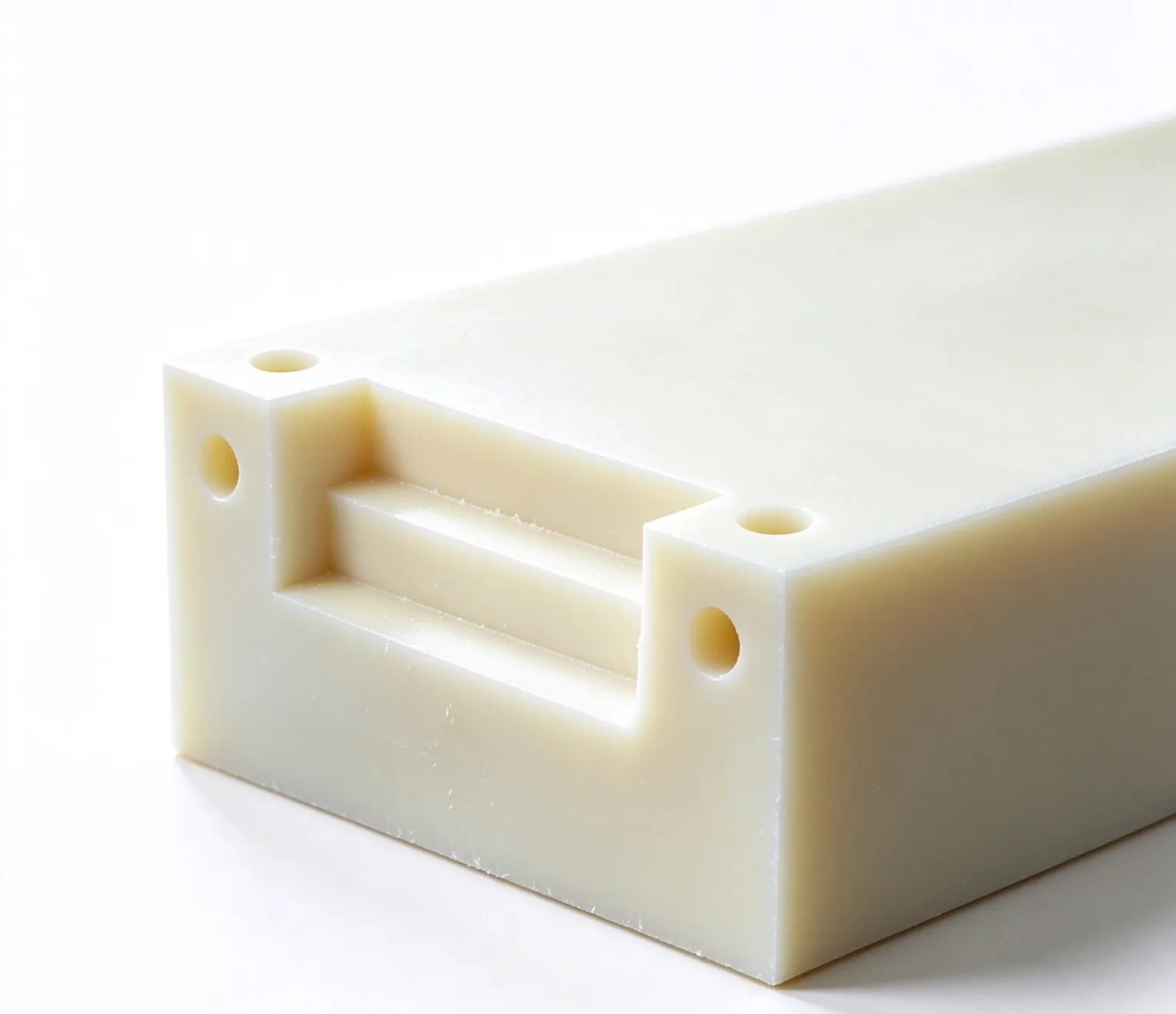
A plate is inherently a machined part: the profile, cut-outs and hole pattern are cut, drilled and milled directly from sheet stock, so a complex hole pattern needs no tooling at all. Moulding a large flat plate is rarely economical and invites warp and sink across the flat face; machining holds the plate flat and puts every hole where the drawing puts it. Features buyers specify include the outline with cut-outs and corner radii, through holes, counterbores and countersinks, tapped holes or threaded inserts where screws are fitted and removed repeatedly, slots, pockets, edge chamfers, engraved markings, and the finish required on visible faces such as a cover. The drawing defines length, width and thickness — sheet thickness is often the stock constraint, so it is worth confirming the available sheet gauge against the design — together with flatness, hole positions, diameters and tolerances; pattern location is usually the critical callout, since the plate exists to position other parts. Material is the engineering plastic specified on your drawing, selected by property: a rigid, dimensionally stable grade for fixture duty, an insulating grade for electrical work, a wear-resistant grade for guide plates, or a transparent grade where the plate doubles as a window.
How to Order
Send your drawing as a DWG, PDF or STEP/STP file, and we will quote the plate exactly as drawn — profile, hole pattern and features included. The minimum order is one piece, which makes a single adapter or insulation plate for a repair or a prototype build a straightforward order, and the same file can be re-run for small batches and repeat production. Samples are produced in about 7 days, subject to the drawing. Every plate is produced under our ISO 9001:2015 certified quality management system and shipped to customers worldwide. If a hole position or thickness is ambiguous, we will ask before cutting rather than interpret it.