
How to Order Custom CNC Parts from Your Drawing
Order custom CNC parts from your drawing without the back-and-forth: what to send, what a supplier checks first, and how samples and lead time are confirmed.
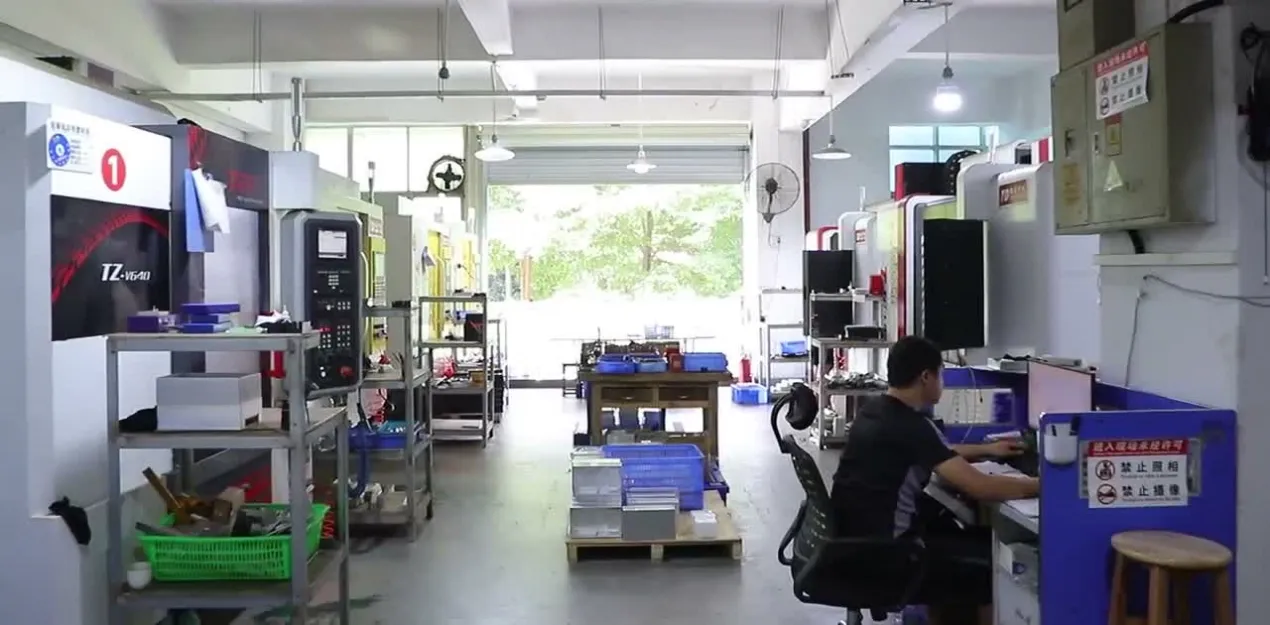
Send your 2D or 3D drawing, state the material and quantity, and a CNC supplier can quote your part. A complete drawing is the one document that decides whether you get a price in hours or a week of questions. This guide is for equipment manufacturers, machine builders and OEM buyers who need a small batch of custom parts made to their own design. It is not for buyers shopping for standard parts from stock — a drawing-first supplier makes parts to order, not from a shelf.
You have the part in your machine and the drawing on your screen, but the last supplier took three days to answer and then asked for the one dimension you thought was obvious. That delay is the normal cost of an incomplete drawing, and this article shows you how to avoid it.
What does a CNC supplier need before it can quote your part?
A supplier cannot price a part it cannot see clearly, and a photo or a spoken description is not enough to quote from. What the supplier needs is a drawing that answers four questions without a phone call: what shape the part is, what it is made of, how precisely it must be made, and how many you need. If any of those four is missing, the quote stops and the questions start, and every round of questions costs you a day.
The drawing itself should be a 2D or 3D file, in DWG, PDF, STEP or STP format. A 3D model shows the shape; a 2D drawing carries the dimensions, tolerances and surface notes that a model alone does not. Send both when you have them. If you only have a 3D model, say so in your message and ask what the supplier still needs before quoting, rather than waiting for the supplier to find out by itself.
Material is the second question, and it has to be written on the drawing or in your message. Stainless steel, aluminium and brass are the common choices for machined metal parts, and engineering plastics are machined the same way when the drawing calls for them. A note such as "aluminium" is enough to start; a grade is better when your design depends on it. What slows a quote down is a drawing that says nothing about material, because the supplier must then guess which metal you meant, and a wrong guess makes the price wrong too.
Quantity is the third question, and it matters even when the number is small. The minimum order at a drawing-first supplier can be a single piece, so a prototype of one is a real order, not a favour. But one piece and fifty pieces are priced differently, because the setup work is spread across the batch. Tell the supplier the quantity you need now and the quantity you expect to repeat, so the quote reflects both.
The fourth question is the tolerance, and it is the one buyers most often leave out. A tolerance of plus or minus 0.01 mm is achievable on CNC equipment, but it is only quoted when the drawing asks for it. If your drawing carries no tolerance, the supplier will machine to a general standard and you will only discover the mismatch when the part does not fit. Put the tolerance on the drawing where it belongs, on the dimension it applies to, and the supplier can confirm whether it can hold it before any metal is cut.
How should you send your drawing so the quote comes back right the first time?
Send the drawing file itself, not a screenshot of it. A screenshot loses the dimensions and cannot be measured, so the supplier has to ask you to send the file anyway. Attach the DWG, PDF or STEP file to your message, or send a download link if the file is large. The enquiry form on a supplier website usually takes a link or a note rather than a file upload, so send the file by email or WhatsApp after you submit the form, and say in the form that the drawing is on its way.
Write three lines with the file. The first line names the part and what it does in your machine, in one sentence. The second line states the material, the quantity and the tolerance that matters most. The third line states when you need the sample. Three lines are enough for the supplier to start work, and they save you from writing a long email that buries the facts.
If the drawing has a revision letter or a date, keep it in the file name or in your message. A supplier that quotes revision B while you are building revision C will make the wrong part, and the mistake will only surface at assembly. One line — "drawing rev C, dated 2026-11-20" — removes that risk.
Do not send a photo of the part instead of a drawing and expect a price. A photo shows the shape but not a single dimension, and no responsible supplier will quote a dimension it cannot see. If a photo is all you have, say so plainly and ask whether the supplier can work from a physical sample. That is a different conversation, and it is covered later in this article.
What happens after you send the drawing?
A supplier that works to drawings will first read the drawing and check it against what its machines can do. That check is where an honest supplier earns its keep: if a feature on your drawing cannot be machined as drawn, you should hear about it before you pay, not after the parts arrive. Expect a reply within 30 minutes during working hours for a straightforward enquiry, and expect the reply to be a question about the drawing if something on it is unclear. A fast question is a good sign; it means the drawing has actually been read.
The quotation that follows should name the price, the sample time and the production lead time together. Samples are usually ready in about 7 days, subject to the drawing, and the production lead time is confirmed with the quotation because it depends on the drawing and the quantity. A quote that gives you a price but no time is only half a quote, so ask for the time in the same message if it is missing. Do not accept a lead time that is stated as a fixed number of days without the words "subject to the drawing", because a custom part has no fixed lead time until its drawing has been read.
When you accept the quotation, the supplier makes the sample first. One piece is enough to check the fit, and you should check it in your own assembly before approving the batch. If the sample does not fit, say exactly which dimension is wrong and send the measurement back with the drawing revision. A supplier that asks for that feedback is one you can work with again; a supplier that argues about it is not.
What if you have no drawing, only a part?
Some buyers have a broken part and no drawing at all. A physical sample can be measured and drawn up again, but that is not a routine service and it cannot be promised before the part is seen. The supplier first needs to look at the sample and judge whether it can be measured accurately enough to reproduce. Send a photo first only to ask whether the sample is worth sending, not to ask for a price. If the supplier agrees to look at it, send the physical sample by post and wait for the assessment. Do not send the sample before that agreement, and do not expect a price or a delivery date until the assessment is done. A supplier that quotes from a photo alone is guessing, and the guess will cost you more than the wait.
How do you check a supplier before you pay for a sample?
Check three things that cost you nothing. First, the supplier should be able to tell you its minimum order, its sample time and its material range without hesitation. A supplier that answers those three questions plainly is describing its real process; a supplier that answers with slogans is describing a brochure. Second, look for a quality certificate that names the supplier itself, such as ISO 9001:2015, and check that the certificate covers the kind of parts you are buying. Third, send a drawing and watch the reply. A reply within 30 minutes that asks a specific question about your drawing tells you more about the supplier than any company profile, because it shows a real person read a real drawing.
Payment and shipping are confirmed with the quotation, based on the parts, the quantity and the destination. If a supplier asks for full payment before it has read your drawing, stop. A drawing-first supplier quotes first and takes payment against a quotation you have accepted, not against a conversation.
What to send today
- Your drawing file in DWG, PDF, STEP or STP format, with the revision letter in the file name.
- One line naming the part and what it does in your machine.
- One line stating the material, the quantity and the tolerance that matters most.
- One line stating when you need the sample.
- Your company name, your name and the email address the quotation should go to.
Send those five things and a drawing-first supplier can quote your part. Send only a photo and a description, and the honest answer is that no quote is possible yet.
FAQ
What is the minimum order quantity for custom CNC parts?
The minimum order is 1 piece. Every part is made to your drawing, so a single prototype and a small batch are both welcome.
How long do samples take?
Samples are usually ready in about 7 days, subject to the drawing. Send the drawing and the supplier will confirm the sample schedule with the quotation.
Can you machine parts from a physical sample with no drawing?
It depends on the part. A physical sample can be measured and drawn up again, but only after the supplier has seen it and judged whether it can be measured accurately. Ask first, send the sample only after the supplier agrees to assess it, and expect no price or delivery date before that assessment.